VERITY J GAVIN
Creative Ethic
  • Home
  • About
    • Biographical notes
    • Creative Ethics
  • Trilogy
    • The Trilogy
    • Play and Creativity Therapy
    • The Relationship Game
    • Initiatives with Therapeutic Benefits
    • Training Courses
  • Play Away
    • Play Away Projects
    • Play Away Charters
    • Play Away Days
  • Documents
    • The Doc: Therapy through Play and Creativity
    • La Doc Relationship Play
    • La Doc Initiatives with Therapeutic Benefits
  • Contact
Creative Ethic
  • Home
  • About
    • Biographical Notes
    • Creative Ethic
  • Trilogy
    • The Trilogy
    • Play and Creativity Therapy
    • The Relationship Game
    • Initiatives with Therapeutic Benefits
    • Training Courses
  • Play Away
    • Play Away Projects
    • Play Away Charters
    • Play Away Days
  • Documents
    • The Doc: Therapy through Play and Creativity
    • La Doc Relationship Play
    • La Doc Initiatives with Therapeutic Benefits
  • Contact
VERITY J GAVIN
VERITY J GAVIN
  • Home
  • About
    • Biographical Notes
    • The Creative Ethic
  • Trilogy
    • The Trilogy
    • Creative Existential Therapy
    • The Play of Relating
    • Initiatives with Therapeutic Benefit
    • Training Courses
  • Play Away
    • Play Away Projects
    • Play Away Charters
    • Play Away Days
  • Documents
    • The Doc Creative Existential Therapy
    • The Doc Play of relating
    • The Doc Initiatives with Therapeutic Benefit
  • Contact

DOCUMENTS

Creative Existential Therapy

The Sketchbooks

The Sketchbooks bring together notes and sketches on a wide variety of topics central to Play and Creative Therapy.

Some focus on conceptual issues, encouraging reflection and discussion, whilst others concentrate on practical details. The majority offer a welcome blend of both.

This collection of thirty Sketchbooks represents a significant part of the teaching content offered in France and Belgium since 2005 and intended for professionals.

They are intended for therapists who are already qualified or currently in training, and their translation is currently being considered.

They form the basis for other means of disseminating this innovative approach, offering a solid and alternative paradigm.

An access code is required to open the documents

submit my application

Each Sketchbook is priced at €20, with the exception of :

- 60 Creative and Bodily Proposals (€200)

- Creative Practices: Corner Spaces, Natural Creative Media and General Practices (€200)

- Squiggling Along (60€)

- Creative Supervision (120€)

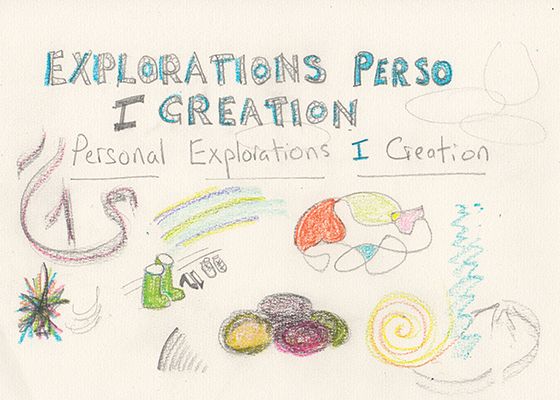
Personal Explorations I

CREATION

VERITY J GAVIN - NOTEBOOKS
This Sketchbook is the first of three entitled ‘Personal Explorations’. All the exercises suggested here are intended as explorations for the professionals themselves on a personal level.

They should not be introduced directly into professional practice at this stage. This Exploration I introduces new materials that are often used in creative work.
This sketchbook introduces ways to help professionals let go of their worries and anxiety about feeling artistically inadequate or their fear of being judged.
Each of the options selected will be explored, where possible, at three levels :
- alone with you in a safe place or space,
- with someone you trust, who may also be taking part in the training,
- with members of a WhatsApp or Skype group, or in person with a tutor, colleague, mentor or supervisor.
These personal explorations form the basis of three fundamental practices for professionals who work creatively in the way they relate to others. They often encourage the use of creative mediums, and always with a respectful attitude.
This experience of personal exploration helps us to be more sensitive and open to the difficulties our patients face in letting go.

buy

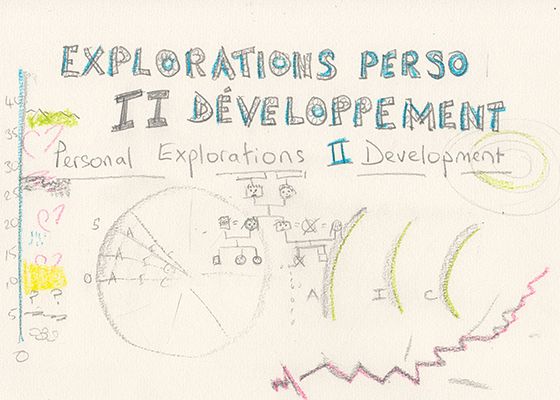
Personal Explorations II

DEVELOPMENT

VERITY J GAVIN - NOTEBOOKS
This Sketchbook introduces three projects, three diagrams and three sequences for personal creative exploration. Without this rich work – whether on your own, or shared with colleagues, friends or therapists – then...
with a tutor or under supervision or via a WhatsApp or Skype group, you will not be able to validate your first year of the Accreditation.
- Firstly, there are innovative and original ways to (re)explore your life story, your family history, your family plan and a sort of ‘landscape of significant people’ within your network. You can gradually introduce this to your patients/beneficiairies at a later stage, and use it to prepare for your professional meetings and supervision sessions.
- Secondly, there are frameworks that will help you to think differently about the relationship within its context, in life in general (and later on in professional care relationships, therapy, etc.).
- Thirdly, you will be introduced to a framework for reflecting on particular types of attachment and, perhaps, any developmental trauma you may have experienced. This will help you to incorporate the key concepts that influence your thinking and your practice with your patients/beneficiairies.
Following this exploration, you will be better equipped to incorporate them into your thinking and practice, whilst carefully assessing their limitations and benefits in your specific professional contexts.

buy

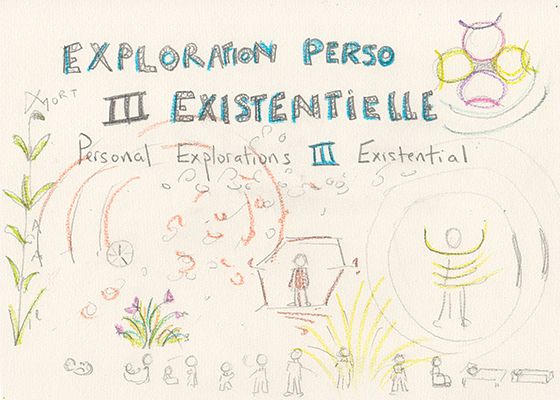
Personal Explorations III

EXISTENTIAL

VERITY J GAVIN - NOTEBOOKS
This Sketchbook offers personal explorations of a range of existential themes, in a creative and highly enriching way. It provides a respectful introduction to...
all sorts of creative ways, things that are not necessarily put into words and are often avoided (in both personal and professional contexts).
- Firstly : to open our eyes and our minds to these issues.
- Secondly : to build our confidence in addressing these issues and then exploring them with our patients.
- Thirdly : to open up a broader and more in-depth approach to working with anyone who has experienced trauma or been a victim of injustice.
These underlying themes behind symptoms and syndromes are the existential sources of human suffering that are often overlooked by professionals, as they are not covered during their training and are therefore not explored with patients.
Creative exploration is the best and most respectful way to address these fundamental themes that underlie the struggles of existence.

buy

Personal Explorations

the Creative Ethic
VERITY J GAVIN - NOTEBOOKS
This Sketchbook introduces Creative Ethic, which forms the basis of the three parts of Verity J Gavin’s Trilogy. Following a summary of the key concepts of ethic, this sketchbook focuses on themes...
particularly significant in the fields of care, support and health, which demonstrate the link between philosoVIE and the practice of relational creativity.
It presents a way of thinking about human beings – with their fragility, vulnerability and, often, their precarious situation in everyday life – in the hope of opening up a different way of being ‘creatively in relationship’ for professionals working in care, education and the ‘psychological’ field...
Several original concepts developed by Verity J Gavin facilitate the introduction of existential and anthropological thinking, promoting a respectful and responsible approach to practice, and supporting an ecological commitment on both the symbolic and trialogical levels. Such enrichment for the professional, achieved through the interplay between thought, practice and the experience of the process, serves as an effective ‘antidote’ to burnout.

pending

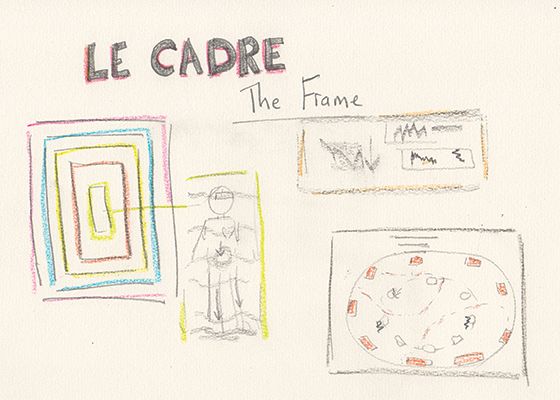
The setting

VERITY J GAVIN - NOTEBOOKS
This Sketchbook highlights the central role of the framework in the practice of Creative Existential Therapy. Without prior consideration of the framework at various organisational levels, it will not be possible to offer...
the TJC’s ‘enhanced framework’, which ensures the safety of a protected space and fosters the relationship of trust that is necessary for freedom of expression.
The professional context is explored when it comes to therapy for children in care. The process of initiating therapy for children, involving their parents before it begins, is also essential.
In any case, it is essential to clarify issues relating to confidentiality, as well as those concerning the procedures to be followed in the event of a breach of the guidelines. Suggested wording suitable for children and parents is provided.
The conceptual framework of the therapeutic relationship is represented in diagrams alongside the associated key concepts and is referred to in TJC as ‘conceptography’.
Some of the issues raised in this sketchbook illustrate the rigour required of a responsible therapist. Any doubts regarding one’s own behaviour, reactions and comments in relation to a patient should be discussed during supervision.
The supervisor’s role is to provide support in terms of structure and clarity of thought and action. The relationship between supervisor and supervisee is itself set within its own framework.

buy

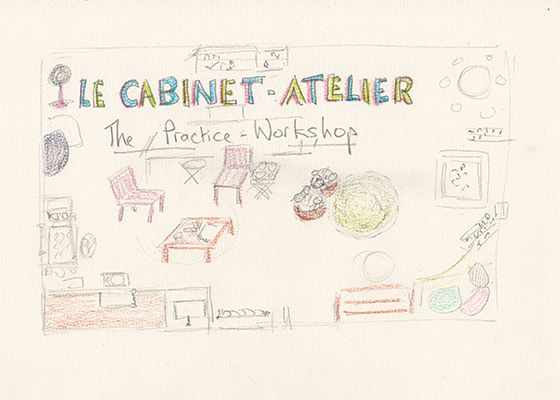
The "Cabinet-Atelier"

VERITY J GAVIN - NOTEBOOKS
The "Cabinet-Atelier" is a cornerstone of the Creative Existential Therapy. Even if it is not possible to set one up straight away, or to do so in the ideal way in terms of size and creative mediums, reading this sketchnook provides an introduction to...
ideas and reflections of great relevance to any psychotherapist, child psychiatrist, psychoanalyst and psychiatrist.
The content of the sketchbook explores the practical aspects of a place where the reinforced supportive environment offers freedom of expression and the relational creativity that is fundamental to this unique approach to TJC.
The fundamental aim of a ‘Cabinet-Atelier’ is to create the conditions that facilitate the opening up of the patient’s being, where the patient is experiencing a sense of closure in their relationship with themselves, others and the world. The practical details of the designated spaces, creative mediums and possible activities highlight the need for a welcoming and receptive approach that respects the whole person.
The Cabinet-Atelier provides a setting for a special relationship, fostering the groundwork for a new and creative bond that respects the potential of those who are suffering. Within such a space, the process of creative relationship-building becomes possible.

buy

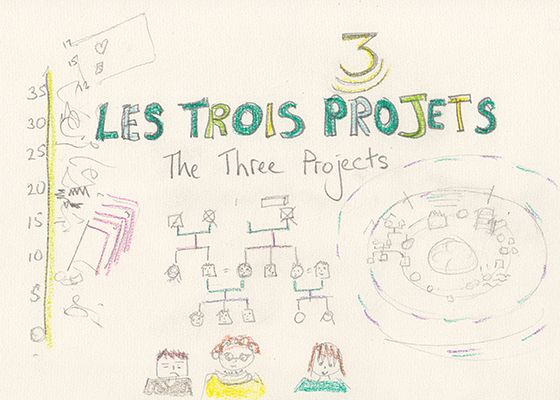
The Three Projects

VERITY J GAVIN - NOTEBOOKS
This Sketchbook introduces a fundamental practice of the Creative Existential Therapy. All professionals explore this practice for themselves during the second part of EXPLORATIONS :
the developmental explorations.
This is a creative practice designed to help them explore their past and present lives in a more creative way.
The first is ‘My Life’s Journey’, the second is ‘My Family Plan’ and the third is ‘A Landscape of the People and Places That Matter’.
All three can be created over a long period of time, on large sheets of paper, using creative mediums and without following a linear sequence or other conventional methods.
Once this practice has been internalised through a personal process, reflection on how to incorporate it into professional practice will be more meaningful and certainly more respectful of patients and beneficiairies.
The value of these projects lies in the way in which the professional gathers information about the person’s life story, either directly during an interview or a session, or by speaking with the adult or other professionals within the support network.
The major benefit of a creative approach to these three projects, which are introduced to patients, is illustrated through various variations depending on their life journey and the landscape of their network of contacts.

buy

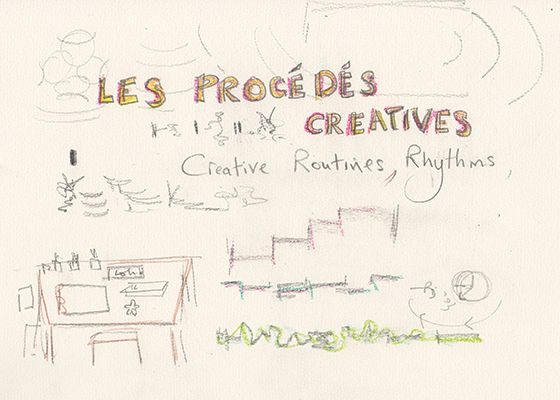
Creative Practices

VERITY J GAVIN - NOTEBOOKS
This Sketchbook introduces CREATIVE PRACTICES of the Creative Existential Therapy. Following the organisation of categories comprising such a large number of options within the context of the "Cabinet-Atelier"...
comes an introduction to the key concepts, enabling readers to grasp their significance within this specific approach to psychotherapy.
This sketchbook comprises three sections : Creative Spaces, Natural Creative Mediums and General Practices.
Readers can deepen their understanding of the importance of choosing the right form of expression, the contribution of movement and all things manual, and engagement with natural elements… all of which benefit patients, ensuring they experience a way of relating to others of exceptional quality.
The trilogical therapeutic process within the relational creative space lies at the heart of the alternative paradigm of the Creative Existential Therapy.
Various aspects of working with creative mediums are described, as well as preparations and presentations in the "Cabinet-Atelier".
These details enable trainee therapists to explore for themselves all kinds of creative practices centred on specific subjects and themes, as well as the many options to consider depending on their working context and the types of patients they treat.
It is worth noting that certain practices are particularly suitable for a "Cabinet-Atelier" that is in the process of being set up, is small in size, or is mobile.

buy

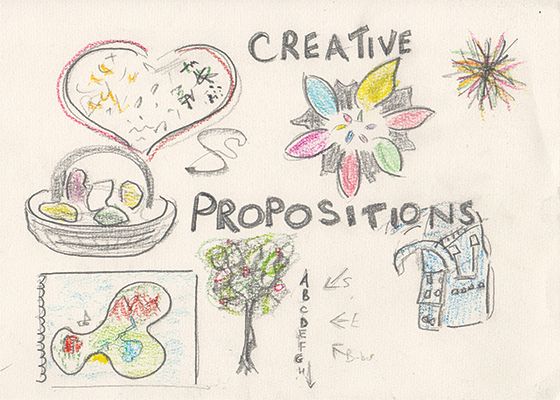
creative proposals

VERITY J GAVIN - NOTEBOOKS
This Sketchbook is intended for therapists practising the Creative Existential Therapy. It introduces the CREATIVE PROPOSALS, which are a distinctive feature of the TJC therapeutic approach.
The context, objectives and potential benefit of the Creative Proposals are set out here.
They introduce significant benefit and present considerable challenges for both healthcare professionals and patients.
The associated responsibilities for therapists demonstrate how deeply rooted these proposals are in the thinking behind Creative Ethics, PhilosoVIE and the Creative Existential Therapy.
Sixty Creative Proposals are available. Twenty of the Corporel Proposals are also included in another Sketchbook designed for other helping professions where there is clearly a potential therapeutic benefit.

buy

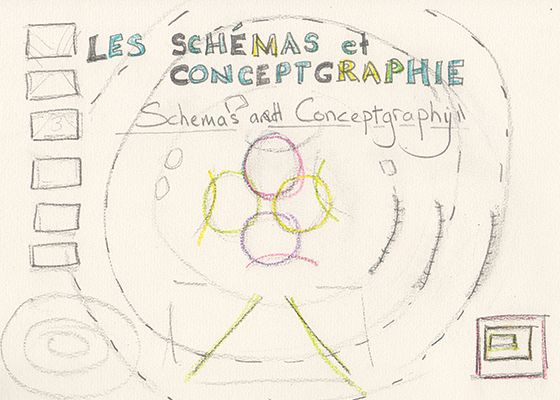
diagrams and conceptgraphy

VERITY J GAVIN - NOTEBOOKS
Following an introduction to the importance of the benefits and the use of diagrams, as well as the gradual development of the conceptual framework for the Creative Existential Therapy, several basic diagrams...
are introduced along with the associated concepts.
Next, sessions involving the Creative Existential Therapy are offered to reinforce the concepts of the relational triad and the process of transpotentiality within the therapeutic relationship.
Other diagrams illustrate key aspects within the patient’s context and environment, as well as the levels of a framework reinforced and supported by the therapist. These diagrams are intended to aid the practitioner’s thinking and should not be used with the patient.
They stem from Verity J Gavin’s experience in developing and subsequently teaching the Creative Existential Therapy, drawing on the rich interplay between these concepts and certain approaches favoured by other researchers and practitioners.

pending

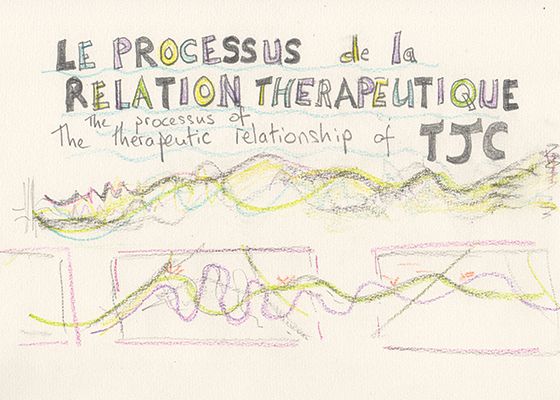
the therapeutic relationship process

VERITY J GAVIN - NOTEBOOKS
The therapeutic process involved in the Creative Existential Therapy is known as the creative relationship. It differs from other therapeutic relationship processes and, in particular, from those of the dominant paradigm...
by a number of characteristics and distinctive features described in the first part of this Sketchbook.
In the second part, key concepts unique to TJC are introduced and illustrated. The concept of the process at the three relational levels and the exceptional quality of creative relational intersubjectivity are explored from three perspectives: the therapist, the patient and their relationship of transpotentiality.
In the third part of the sketchbook, the focus will be on practices rooted in the concept of transition, the passage of time and coming to terms with anxiety, as well as the value placed on them.
The Fourth part explores a concept unique to TJC : relational creative plasticity as the foundation and prerequisite for a therapeutic practice based on neural plasticity. This part illustrates how the practice of relational creativity necessitates an alternative paradigm to the dominant one (sedentary, face-to-face and predominantly verbal, etc.). The richness of the creative relational approach offers experiences of openness to attachment, which is essential for children and adults who have experienced traumatic development during childhood.

pending

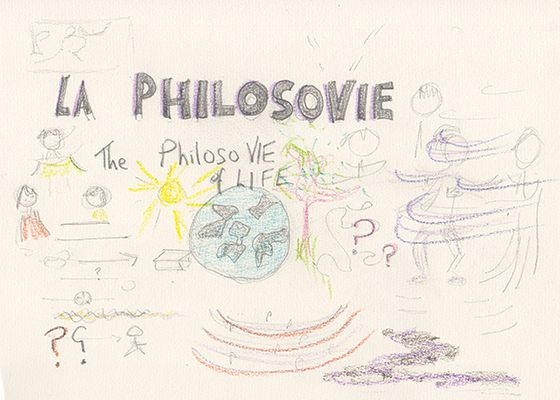
PhilosoVIE

VERITY J GAVIN - NOTEBOOKS
This Sketchbook is intended to be explored alongside or following the ‘Personal Explorations III : Existential’ Sketchbook. It begins with a summary of the fundamental concepts and diagrams of..
the Creative Existential Therapy that stem from the Creative Ethic.
This PhilosoVIE guides the thinking behind the practice, particularly the concepts relating to being and the three Parameters chosen to inform the innovative approach of this practice.
This notebook then introduces a discussion of existential themes, drawing on several of them, in particular: anxiety, relationships, choice, freedom and responsibility.
Various aspects of the Creative Existential Therapy are introduced here – in particular :
• for the establishment of a Cabinet-Atelier
• to identify existential themes in the patient’s actions and words
• to illustrate therapeutic phases that shed light on these fundamental questions.
This PhilosoVIE approach shows respect for the whole being of the person in difficulty, their innate creativity and their potential, which is the central driving force in therapeutic work, particularly when it involves a joint exploration of – and sometimes a (always creative) confrontation with – existential themes.

pending

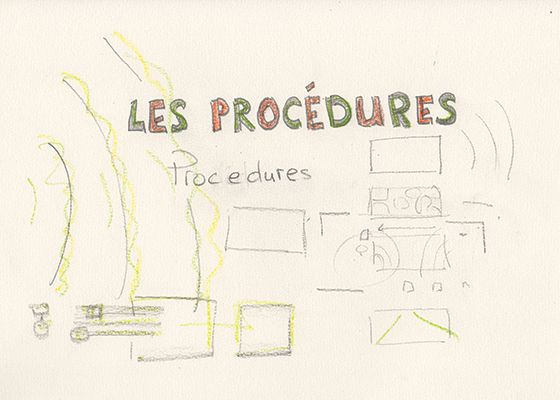
TJC procedures

VERITY J GAVIN - NOTEBOOKS
This Sketchbook introduces several types of basic procedures used in the practice of the Creative Existential Therapy. These procedures, which relate to the framework and organisation of therapy for...
children or adults, are presented in the first part of the sketchbook.
In the second part, particular attention is paid to the various typical situations encountered during the course of therapy ; for example: the initial stages, and networking with partners, particularly in relation to various legal proceedings.
It also refers to all manner of transitions, transgressions and ways of marking transformations/changes outside the usual framework, control or lack of trust…
Part Three explains and illustrates key terms with a view to highlighting the importance of these procedures and establishing a link with the specific processes presented in the supplementary Sketchbook, ‘TJC Processes’.

pending

TJC processes

VERITY J GAVIN - NOTEBOOKS
This Sketchbook introduces a wide range of techniques to help therapists practising the Creative Existential Therapy to uphold the General Principles of patient choice and patient courage...
and the creative dynamic between patient and therapist.
All of these are optional, but the majority support the key concepts of a strengthened framework, a choice of how to relate to others and express oneself – as well as placing great importance on the corporel dimension.
The importance of ‘Small Procedures’ in relation to the folder/portfolio and personal box (and other thoughtful practices) is explained and illustrated in the second part of the notebook, where a link is established with the Transitional Objects Sketchbook.
The ‘Short Verbal Phrases’ method and ‘speaking aloud’ are introduced in the third part, with a reference to the ‘PhilosoVIE’ of life.
The final section of this sketchbook summarises a number of specific approaches to address difficulties frequently encountered by some therapists or in certain specific situations.
Taken together, these illustrations provide an introduction to the fundamental principles and practices of the TJC.

pending

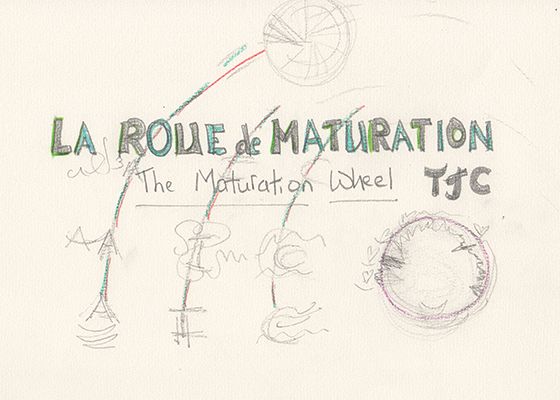
the TJC maturation wheel

VERITY J GAVIN - NOTEBOOKS
This sketchbook introduces several stages and elements of this analytical framework, which is so highly valued by TJC therapists that it has become central to their thinking and the way they approach their work...
the therapeutic process step by step.
It is an invaluable aid to understanding their patients, their relational needs, creative explorations, the underlying themes behind their difficulties and, consequently, decisions regarding priority areas of work, including when working with the parents of children in therapy.
The sketchbook begins by offering a personal exploration of the early years of a professional’s life. The nine basic concepts, illustrated by three simple curves, are linked to the ideas of respected authors, such as Verity J Gavin, and to research from recent decades on attachment and neuroscience.
The Maturation Wheel facilitates the integration of the key concepts that inspire and guide practice within a workshop-style practice. It provides examples of the various stages involved in the questions, reflections and decisions that the Wheel reveals for patients of all ages who are experiencing difficulties.
The final section of the sketchbook demonstrates how to use the Wheel to prepare for creative supervision sessions, team meetings and other professional contexts.

pending

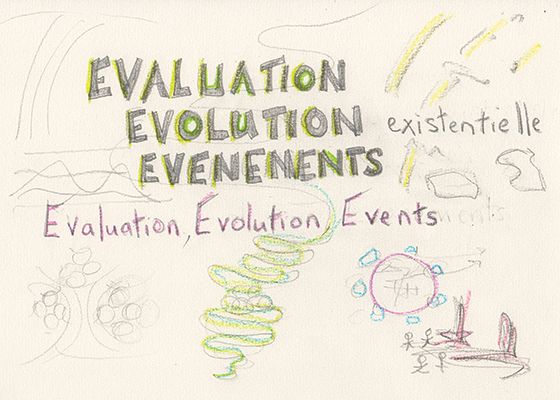
assessment, development and creative events
VERITY J GAVIN - NOTEBOOKS
ASSESSMENT-DEVELOPMENT and CREATIVE EVENTS This Sketchbook establishes a link between these three concepts, as re-examined within the Creative Existential Therapy. The concept of assessment restores...
the individual’s potential to the centre of the work, rejecting the tendency to focus on pathological problems.
The concept of existential development is introduced through a series of questions designed to explore current notions of development in relation to a history of traumatic development.
Events described as ‘creative’ offer a number of new ways of observing, understanding and intervening or provoking creatively, within the context of various situations (family gatherings, therapy sessions, family meetings, etc.).
Creative concepts and practices are introduced to help the therapist remain grounded in the concrete reality of the experience, understand the context and, above all, develop their creative reflexivity.

pending

the personal creative and corporel process
VERITY J GAVIN - NOTEBOOKS
The Personal Creative and Corporel Process is one of the three threads running through the training programmes in the three parts of the Trilogy. Beginning with Creative Explorations, this process encourages a way of being creatively present...
in the world in everyday life (and therefore, over time, in our professional relationships as well).
This prompts us to take a new look at our responsibility to prevent burnout and to expand our ability to remain open to the world despite the greatest difficulties we face.
The considerations set out in the first part lay the groundwork for the presentation of the many suggestions and options set out in the second part of the sketchbook.
Part Three introduces simple frameworks and sequences and explains how they relate to professional practices that require a comfort with exploring our own feelings and co-exploring with patients and beneficiairies.

pending

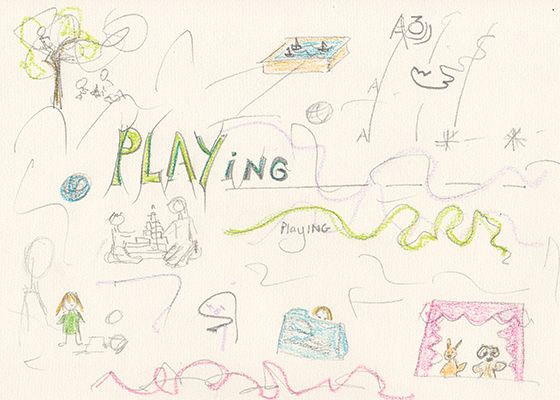
playing

VERITY J GAVIN - NOTEBOOKS
PLAYING is central to the thinking about concept of human development. It's impossible to accord it this this importance if playing is restricted to children's play, whitch is itself often...
associated with purchased toys, solitary activities or, more recently, video games and other screen-based "fun".
This sketchbook offers a personal exploration, a conceptual and concrets framework within whitch we can (re)explore the major significance of playing in our lives.
With many references to facinating reading material, there is a list of suggestions, premises, postulates and comments to encourage engagement in the thinking and practice of Trialogue.

pending

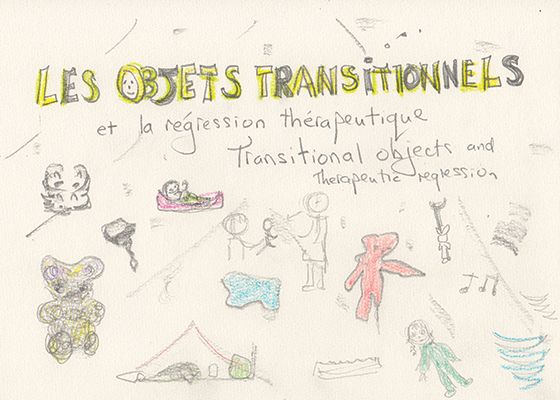
transitional objects and therapeutic regression
VERITY J GAVIN - NOTEBOOKS
TRANSITIONAL OBJECTS : therapeutic regression and symbolic communication
Following a summary of the importance of transitional objects and other signs of a need to cope with anxiety,
the first part of this sketchbook explores different kinds of reassuring rituals and ways of providing a sense of security.
The question will then arise as to how to treat transitional objects that are brought to sessions or are present at home, as well as those that emerge in the professional context. The presence of these objects can contribute to building trust in the relationship and to the process of clarifying the anxieties experienced by children, older people and any other category of patient or service user.
The practices outlined here will help professionals realise their potential to enhance patients’ and service users’ ability to symbolise, play and develop their imagination. The role of the comfort cuddly toy as a mediator in opening up the relational space is emphasised.
Examples from Play and Creative Therapy illustrate symbolic communication and its link to various forms of ‘regression’ that offer therapeutic benefit.

pending

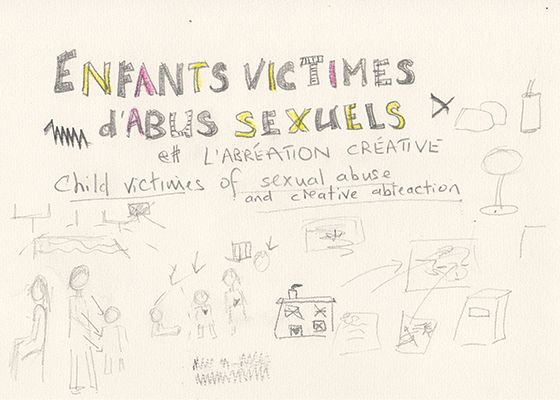
children who have been sexually abused and creative abreaction
VERITY J GAVIN - NOTEBOOKS
CHILDREN WHO HAVE BEEN SEXUALLY ABUSED and the practice of creative abreaction
This Sketchbook introduces fundamental themes for any interaction and communication with children,
adolescents and adults who have been victims of sexual abuse, as well as in the context of therapeutic work with members of families where incest has occurred.
- The first part introduces a number of topics and discussions that help to develop the reasoning and lay the foundations for the principles, procedures and practices proposed in the second part.
- These practices are among those that professionals generally find daunting. They require sound guidance aimed at enhancing their ability to maintain confidence and clarity in a calm atmosphere, even in the most challenging situations.
- The third part offers professionals creative teaching resources designed to facilitate creative teaching on sexuality, the law and rights in relation to the subject of sexual abuse and other forms of violence (for example: parental and domestic violence, etc.).
- The fourth part introduces simple techniques for working with people who are overcome by rage, terror, confusion…
- The fifth part explores how to approach and discuss the most sensitive topics, such as secrets, sexuality and the silence imposed by threats.

pending

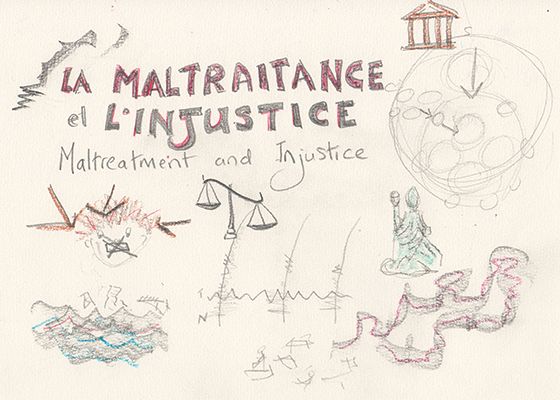
abuse and injustice

VERITY J GAVIN - NOTEBOOKS
The first part of this Sketchbook highlights the distinctions between the contributions of various authors and approaches within the broad field of abuse. A number of concepts, contributions and perspectives…
are examined, providing a basis for reflection on societal and political changes.
The second part shows how the concept of maltreatment has been enriched in recent decades by the immense contribution of certain research into attachment and neuroscience. References and links are provided to several key authors whose work is accessible to a wider audience. Other themes also come to the fore, such as the corporel dimension and the experience of developmental trauma.
The third part of the sketchbook introduces the central theme of injustice, which is present in the experiences of so many victims of violence of all kinds, yet is rarely addressed in psychotherapies based on the dominant paradigm.

pending

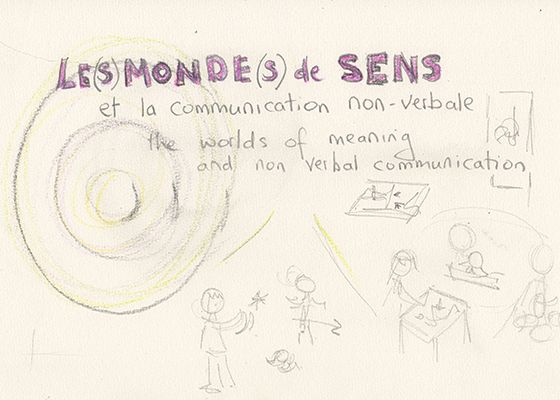
the world(s) of meaning and non-verbal communication
VERITY J GAVIN - NOTEBOOKS
This Sketchbook introduces ways of thinking and practising, using simple vocabulary and diagrams, centred on the concept of the world in its broadest sense, our relationship with the world, and then, from a cultural perspective, our collective vision... ...
sharing the same (sub)culture or belief.
This illustrates the importance, within CREATIVE PEDAGOGY, of the Creative Ethic and the practice of encouraging exploration, at a time when many professionals are trapped by their own worldview, their tasks, roles and the need to frame communication often in terms of closed and reductive questions.
VocabulAIRE encourages us to adopt a way of thinking about the process, the context/environment, and the "trio-spheres" of emerging meanings, guiding us towards a more tri-relational perspective (ecological, trialogical and symbolic).

pending

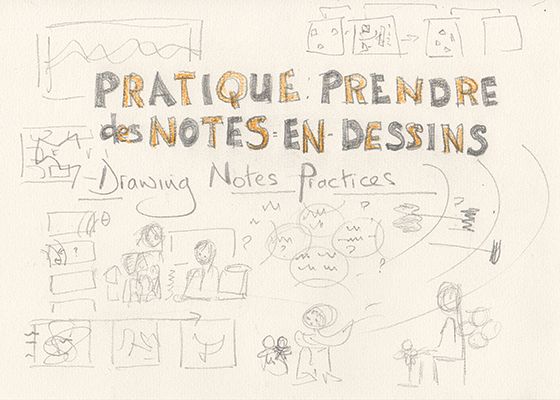
PRACTICAL taking notes through drawings
VERITY J GAVIN - NOTEBOOKS
This practice is one of the key practices of a TJC therapist and forms part of an ethical approach that values creative communication, knowledge-sharing and understanding. It offers a way of taking notes...
creatively during the session, often with the collaboration of those present, and also of taking as many notes as possible in the shortest possible time immediately afterwards (including after a therapy session in which no notes were taken).
Taking comprehensive notes in the format recommended in this sketchbook is reassuring for a professional, and is excellent for supervision and preparing for meetings with colleagues.
It is also essential when it comes to child protection and taking statements.

pending

PRACTICAL exploration and explanations through drawings
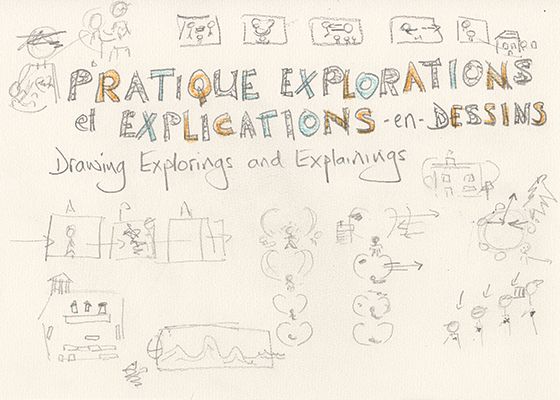
VERITY J GAVIN - NOTEBOOKS
This practice is one of the key practices of Creative Pedagogy, which is rooted in an ethical framework and promotes creative communication, knowledge transfer and understanding. The values and responsibilities outlined…
in this Sketchbook demonstrate the deep respect, the right to information and the need for ‘clarity’ felt by many children, teenagers and adults who are struggling in their relationships with themselves, others and the world.
The examples given are drawn from a variety of contexts, relationships and situations. These practices build confidence and encourage professionals to try to come up with equivalent versions tailored to their specific context.
Following an introduction summarising the benefit of these practices and the difference between ‘exploration’ and ‘explanation through drawing’, the link is made to the key concepts of Verity J Gavin’s Creative Pedagogy.
Several organisations focus on areas where such practices are essential for certain groups of people or for dealing with certain issues (for example, adults with limited understanding, children in care or older people…).

pending

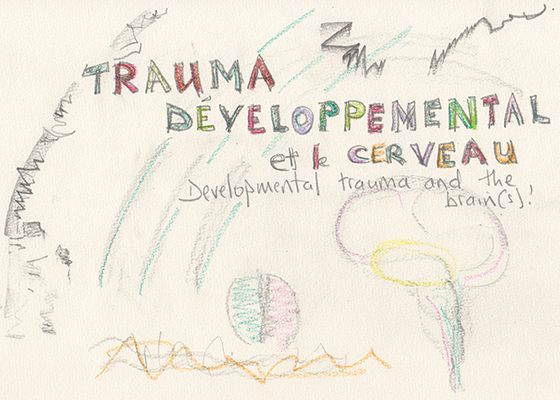
Developmental trauma and the brain

VERITY J GAVIN - NOTEBOOKS
The aim of this Sketchbook is simply to encourage an exploration of at least some of the contributions made by neuroscience that help us to understand the impacts in a different and better way,
the impacts, consequences and potential long-term effects of traumatic experiences and processes.
They also help us to move beyond certain assumptions or preconceived notions. These can hinder our ability to recognise, for example, the profound impact of traumatic experiences on the behaviour, perception of the world and lives of traumatised individuals.
Following some notes on the nature of trauma, the different types of trauma and the developing brain, various parts of the brain are presented in a very simple way.
In the second part of the sketchbook, four authors and their contributions are introduced in a simple and creative way :
• Stephen PORGES
• Gabor MATE
• Bessel VAN DER KOLK
• Peter LEVINE
The third part of the sketchbook establishes links between key conceptual frameworks, therapeutic and creative practices, and potential contributions for therapists and counsellors working within the ‘Play of Relating’ approach.

pending

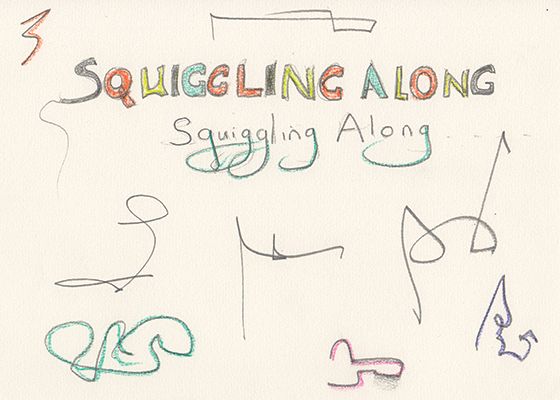
squiggling along

VERITY J GAVIN - NOTEBOOKS
This notebook is a comprehensive summary of a simple idea from DW Winnicott, expended and enriched into a multi-options practice called Squiggling Along. Originally invented to connect with a child...
in her therapy sessions, Verity introduced it in a new way into her therapeutic Play of Relating.
This notebook introduces th importance of play, the ability to symbolise and create during a child's development, and a rich body of thought and practice for understanding perceived deficiencies.

buy

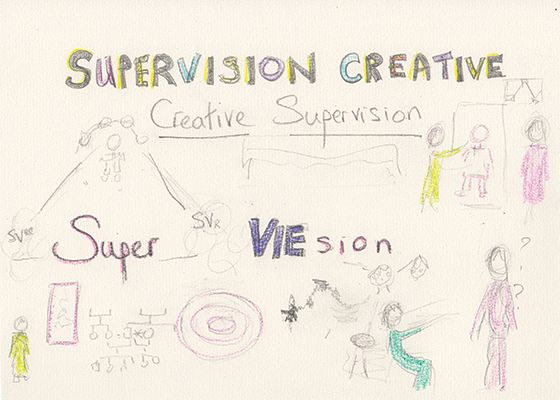
creative supervision

VERITY J GAVIN - NOTEBOOKS
This sketchbook initially introduces the thinking behind a new approach to supervision. Creative Supervision encourages and promotes openness between the supervisor and the supervisee...
or between each participant of supervision groups, as well as in the collective creative space that gradually emerges at the group level.
The premises, principles and processes of creative supervision are presented. A dozen ways of preparing and then presenting the choosen subject are illustrated. Creative explorations are proposed for supervisors to inroduce the various themes, situations and difficulties addressed to their supervisees.
In all cases, creative supervision is a rich means of encouraging health and social care professionals to incorporate relational creativity into their approach. It's also in the hope that reading this booklet will help managers, administrators, coordinators and those in a policies position to influence policies and judicial decisions to understand the fondamental importance of supervision !
It's not only a question of rigour and responsability, but also an enriching experience that offers protection against burnout.

buy

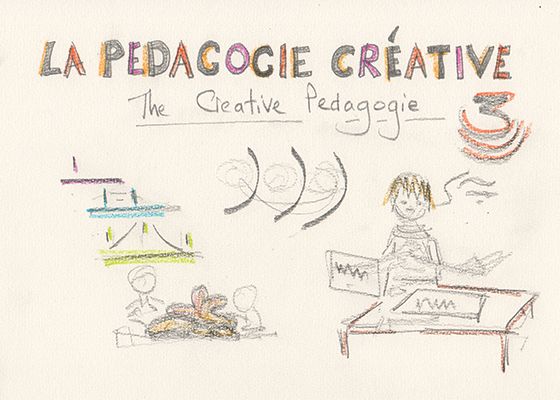
creative pedagogy

VERITY J GAVIN - NOTEBOOKS
This sketchbook introduces the Creative Pedagogy of Creative Existential Therapy, based on the Creative Ethic and presented in different versions, through out the Trilogy :
Creative Existential Therapy, the Play of Relating and Initiatives with Therapeutic Benefit.
The first part of the notebook explores several thoughts and discussions around the Verity's Creative Pedagogy in general.
The second part presents the principles, practices and situations of creative processes with key concepts.
The third part addresses the issue of a training pedagogy for different professions, managers and administrators in this field.
The fourth part introduces fundamental reflections and the fifth part links Ethic and Creative Pedagogy with child attachment, protection and development.
The sixth part introduces the principles of Creative Pedagogy in action in Creative Group and Creative Therapy for families of the elderly.

pending

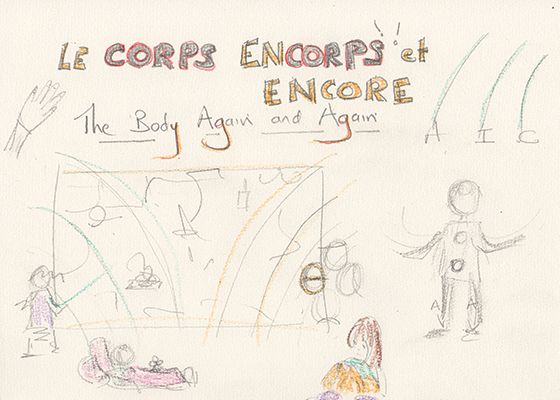
THE BODY, IN THE BODY AND AGAIN

VERITY J GAVIN - NOTEBOOKS
Drawing on the work of a selection of thinkers and researchers from various disciplines, this sketchbook explores the fundamental importance of the bodily dimension for professionals and patients/beneficiairies.
The key points set out in the second part and the accompanying diagrams highlight the shortcomings of these fundamental corporel elements in the therapeutic field and in the helping relationship.
The third part explores examples of personal exercises for professionals – both in their daily lives and as part of their working day – as part of a mini anti-burnout programme, with a focus on corporel activity.
The fourth part explores various corporel aspects of the creative ‘care’ relationship across a wide range of practices.
The fifth part presents various types of activities using Creative Pedagogy to introduce exploration, information, projection and an understanding of ‘how the body works’, for example in relation to attachment, attunement, neural plasticity, epigenesis, the brain and the regulation of emotion.
The sixth part includes an index detailing the contribution of various specific practices involving parents, group work, families and older people.

pending

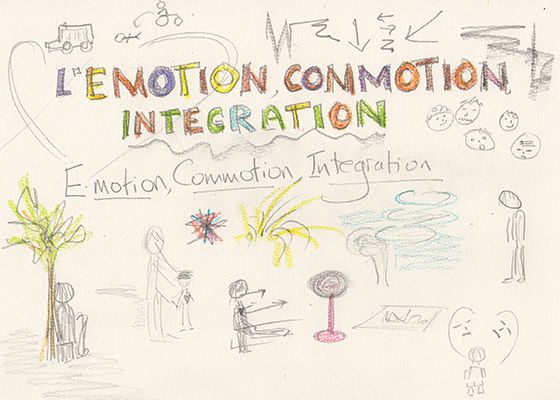
emotion, concussion and integration

VERITY J GAVIN - NOTEBOOKS
This sketchbook begins with key questions and reflections on the concerns and focus surrounding the subject of working with ‘emotions’. These questions raise, above all...
these questions raise issues about what is missing.
Relational creativity and concepts relating to freedom of expression within a relational creative space provide a clear framework and a respectful, receptive approach to working with emerging emotions.
The second part of this notebook introduces the subject of trauma. Experience of the relational creativity process is essential for understanding emotional integration and affect regulation. Reference is made to the quality of the relationship in fostering secure attachment and in restoring a rich tripartite relational network for trauma survivors.
The third part presents the wide variety of practices under the heading ‘emotion and sensation – emotion and commotion – emotion and movement – emotion and developmental trauma’.

pending

CREATIVE GROUPS

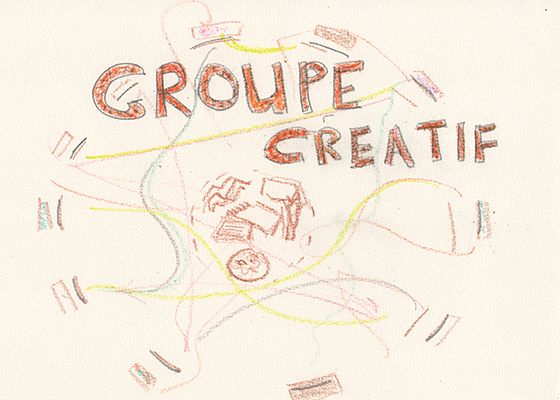
creative group

VERITY J GAVIN - NOTEBOOKS
This Sketchbook provides a framework for considering Creative Groups, whether as therapeutic groups, ‘support groups’ or groups in a variety of other contexts, including within a facility for :
• a child in care or a person under care
• programme for people with addictions (weight issues, suicidal tendencies, victims of bullying, etc.)
• charity or humanitarian organisation supporting people in vulnerable situations, in refugee camps and in war zones
Despite such diversity, the objectives, organisational arrangements, session structures and necessary materials outlined in the first part are often common to all and help co-facilitators/therapists to reflect on the topics of relational creativity, the bodily dimension and optional materials that encourage non-verbal expression.
The second part of the sketchbook introduces questions for exploration and methods to facilitate discussion and help co-facilitators prepare.
The content of the third part presents around thirty Creative Proposals to be adapted to the context, the participants’ ages and the specific characteristics of the groups. It illustrates the suggested sequences of explanations and discussions, the role of movement and the contributions of the Creative Mediums, amongst other benefits of a group that fosters relational creativity.

buy

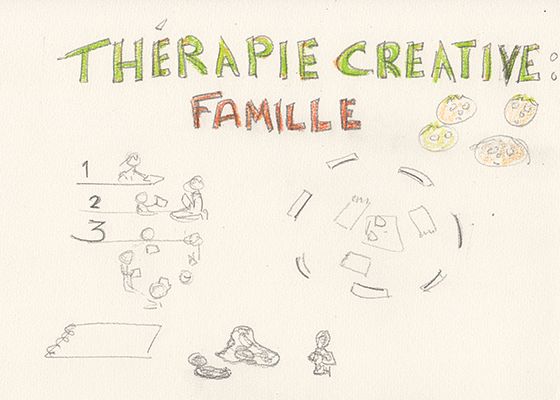
creative therapy – family

VERITY J GAVIN - NOTEBOOKS
This Sketchbook sets out the theory and practice of creative therapeutic work with families. It makes a contribution to any approach to family and systemic therapy,
where family work consists of regular sessions over a limited or unspecified period.
Reading this sketchbook introduces new insights rooted in Verity J Gavin’s Creative Ethic. The general organisation and structure of the lessons also set out the key principles of his Creative Pedagogy.
The contribution of the Creative Family Therapy provides food for thought and suggests ways of adapting practice to respect relational creativity; this final lever for change within family dynamics is of great benefit to every member of the family.
Examples of Creative Practices, together with illustrations and adaptations of typical Creative Activities from the Creative Existential Therapy, promote a practical contribution within a clear framework.

pending

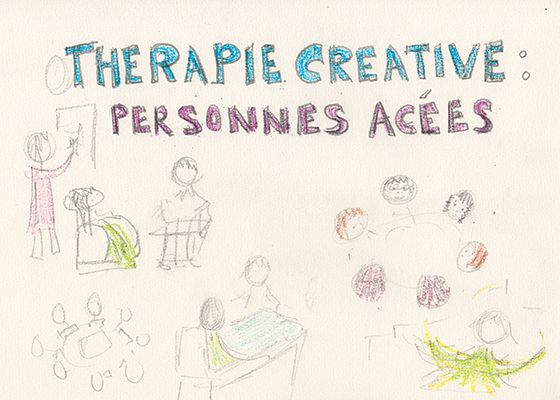
creative therapy – elderly

VERITY J GAVIN - NOTEBOOKS
This Sketchbook is unique in its attempt to incorporate elements of creative therapy and/or creative well-being initiatives within the same book. This decision is linked to...
the possibility of finding, within the same institution (such as an EPAP) or within the same centre or residential facility, practices belonging to very different ‘categories’ but which often blur the lines between them.
This Sketchbook discusses regular ‘talking’ or support groups for older people from the same care home, village, neighbourhood or local centre.
• Group
• Individual therapy and/or a series of sessions providing general or specific corporel/movement support
• Whether or not there are regular meetings with family members or partners who may occasionally attend therapy sessions, particularly in the case of patients with Alzheimer’s disease, Parkinson’s disease or various forms of dementia (whether severe or not)
• Group supervision for the entire team at a care home, in their own homes… and/or emergency one-to-one supervision…
The basic principles of the Creative Existential Therapy and the Play of Relating are presented by demonstrating how they are rooted in Creative Ethic.

on hold

An access code is required to open the documents

submit my application
Back

CONTACT

Email: contact@verity-creative-ethic.com

04110 Oppedette

CONTACT US

LEGAL NOTICE

Web development and graphic design: www.provence-design.com

© all rights reserved Verity J Gavin