


DOCUMENTS
Play and Creative Therapy
General Creative Practices
The Creative and Bodily Practices of Play and Creative Therapy form the second part of the Triptych.
These practices are organised into a three-part structure.
Thus, the Sketchbook of ‘Creative Practices’ presents the corner spaces in the first part, natural creative media in the second part, and General Practices in the third part.
This Sketchbook should be read after the ‘Practice Room ’ volume, where all these practices are implemented.
The practice of Trialogue, so fundamental to a trialogical therapeutic relationship, is introduced in the Sketchbook entitled ‘The therapeutic relationship in TJC’.
A selection of these General Practices is presented here, and links indicate where to find further alternatives in the Sketchbooks on specific topics such as the body, emotions, grief…
The General Practices presented here have their origins in the first two Cabinet-Ateliers established by Verity J Gavin in the Vaucluse (84) in Provence.
They were created in response either to a patient’s specific needs or to a desire to introduce or deepen work already underway, and develop the fundamental concepts of Play and Creativity Therapy.
Certain categories of issues (for example, sexual abuse or attachment insecurity) or specific age groups (for example, very young or very elderly people) have led to a selection of different options.
Some practices are the result of sudden insights Verity J Gavin had regarding a patient or a dilemma encountered; these were subsequently developed and adapted by Verity J Gavin for a wider audience or for specific contexts.
Some of these general practices are very simple yet offer many possibilities and benefits (for example, working with adults who are reluctant to engage in manual processes). Many are linked to other practices introduced in greater detail.
Some headings offer several options (up to ten options).
The notes added to the headings below illustrate how certain practices have emerged from the key concepts embedded in the philosophy of Play and Creativity Therapy.
Each file is sold for €10
An access code is required to open the documents
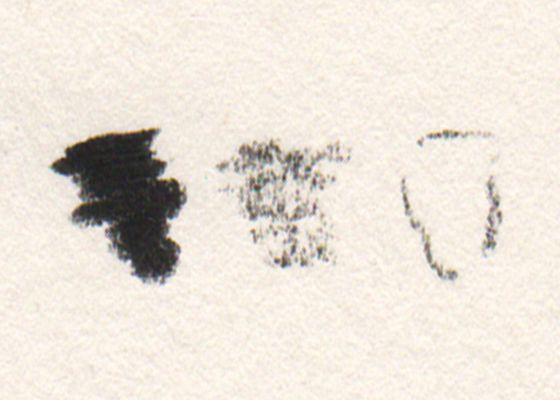
1. GREY
A key concept that is highly valued and often central to the work. Between the polarities of black and white, positive and negative, inevitable ambiguity, ambivalence and the balancing of emotions.
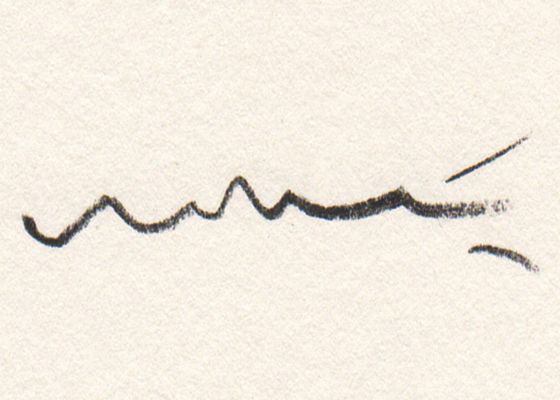
2. TRANS
A key concept related to TRANSITION, TRANSFORMATION, movement, and mutuality (transpotentiality)
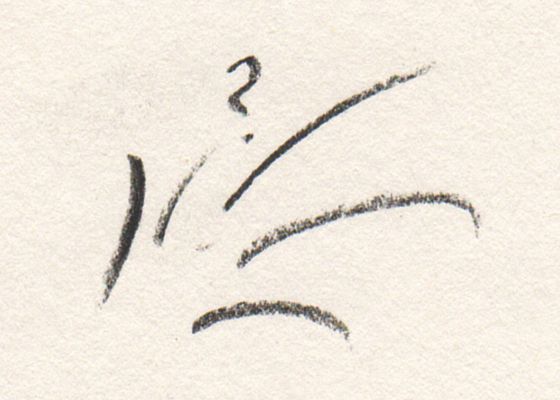
3. THE NEW
The idea of moving beyond the familiar, the past. Exploration, wonder, surprise, spontaneity, the challenge of change, openness.
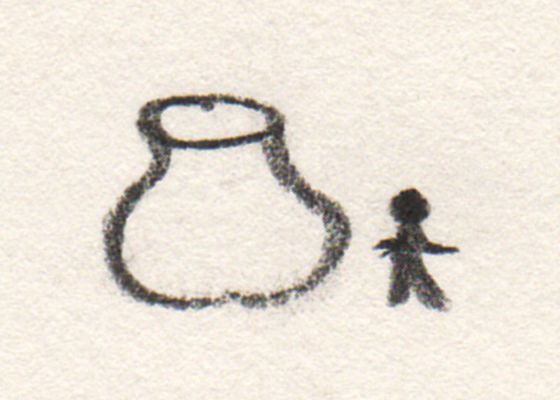
4. THE PRECIOUS LITTLE ONE
Key concept of fragility, delicacy, vulnerability, ‘taking care’ of what is true, of value, of beauty, delicate...
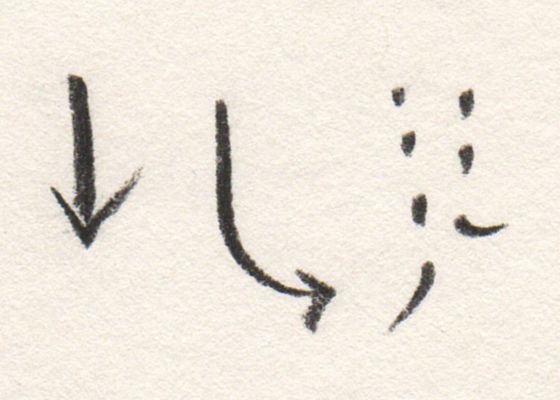
5. LOSSES of all kinds...
Examples include childhood, a friend / beloved pet / divorce, bereavement..., letting go... of illusions
10. DIFFERENT – DISTANCE – OUT OF STEP
A simple exploration of diversity, the feeling of not being ‘normal’, of being on the periphery, not respected, out of step with society’s expectations.
11. TIC-TOC-TAC
TIC is the English word for OCD
TAC in some languages means "yes"...
I have this, where does it come from, how can I ease it!
12. WALL BOARD
The only piece of furniture on this list of PRACTICAL TIPS because it’s so IMPORTANT!
13. THE PAGE
Very simple; helps especially the adult who resists change and creative openness (and the therapist who feels awkward about suggesting it).
14. TWILIGHT – THE SHADOW – THE DARK – THE RUINS
Towards the obscure, the uncertain, the hidden, the concealed, the veiled.
Web development and graphic design: www.provence-design.com
© all rights reserved Verity J Gavin