


DOCUMENTS
Play and Creativity Therapy
Creative Proposals
and Physical
CREATIVE AND BODY-BASED PROPOSALS are a distinctive feature of the TJC therapeutic approach. The context, objectives and potential benefits of Creative Proposals are presented in the Sketchbook of the same name. It offers significant insights and rich challenges for both professionals and patients.
On this page, you will find the contents of the Sketchbook of Creative and Bodily Proposals in separate files. As a reminder, the contents of this sketchbook are intended for therapists practising Play and Creativity Therapy or those undergoing accreditation training.
Sixty Creative Proposals and several categories of Bodily Proposals are available.
An access code is required to open the documents
Each file is priced at €10
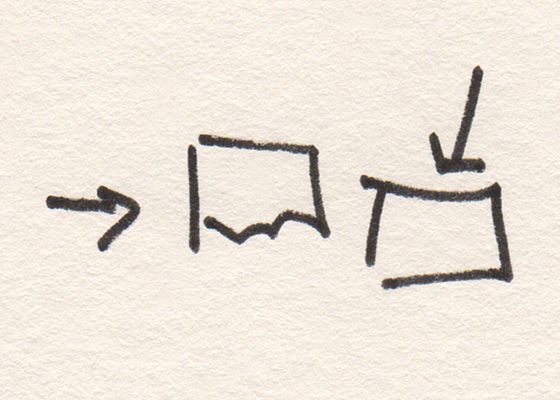
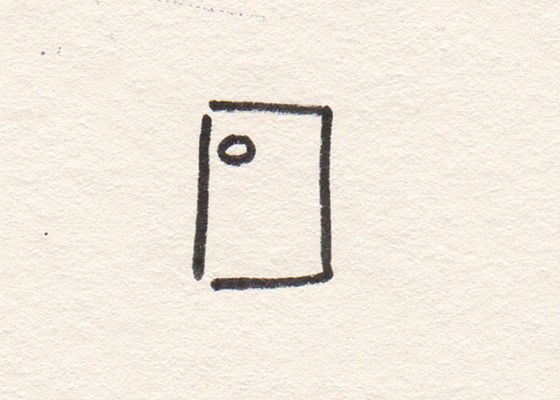
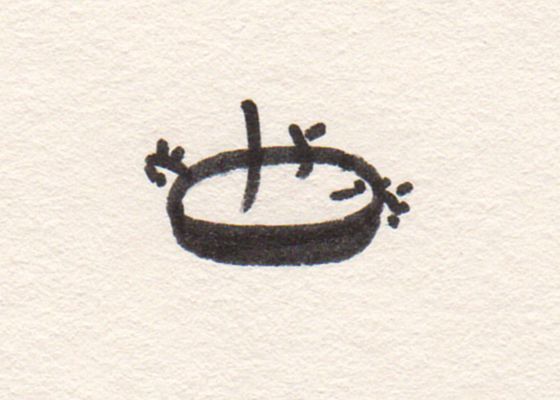
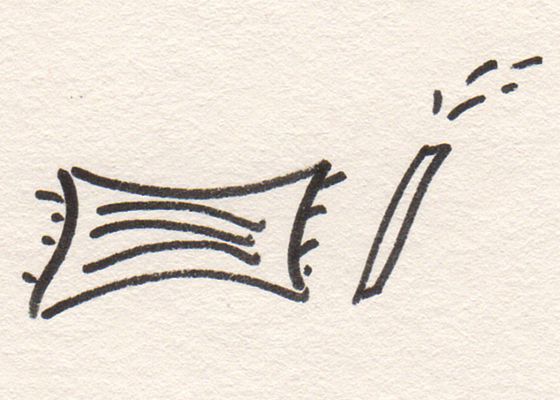

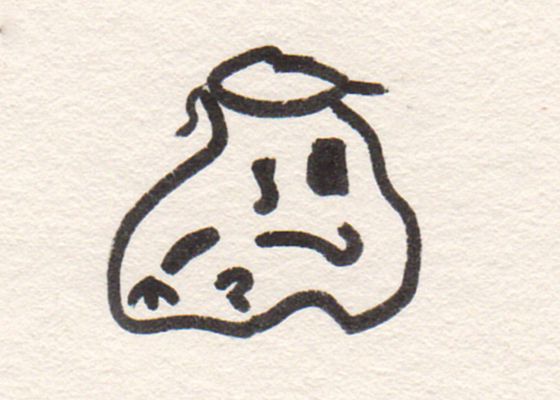




PHYSICAL PROPOSALS
Whilst all Creative Proposals incorporate a bodily dimension, those presented in the first category (Miscellaneous Proposals) are predominantly ‘bodily’. The others are divided into five additional categories.
Numerous factors highlight the fundamental significance of the physical dimension in the practice of Play and Creative Therapy. This begins with the therapist’s responsibility to work on this dimension for themselves in order to develop their ability to provide a supportive framework, as well as their capacity for “creative relational openness”.
The basis of their contribution is initially rooted in the bodily dimension of the therapist or helping professional, project coordinator or group facilitator.
Physical trust is too often overlooked by therapists who focus on emotions and overlook the flow of energy, vitality and the initial sensations that are the source of emotions. Physical trust is therefore part of the responsibility of professionals and supervisors in order to establish a reassuring framework for the patient or service user.
Each physical exercise comprises several sequences that structure the work undertaken.
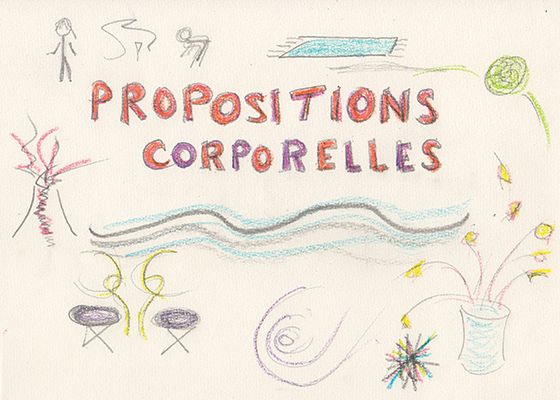
The role of Creative and Bodily Practices in the work of a Play and Creativity Therapist in a practice-workshop is very clear.
First and foremost is the priority of offering the patient a physical and relational space.
The patient’s choice includes the option to use the creative media made available to them. Within this range of options are general and specific practices that the therapist can demonstrate (for example, different types of construction, collage, colouring, modelling, etc.).
The Creative and Bodily Proposals serve as a reservoir of options for the therapist, to be introduced at appropriate moments.
This group of Proposals is particularly helpful for establishing a connection with a patient who not only refuses to speak but is also generally reluctant to form any kind of relationship. These same Creative Proposals can be introduced by the therapist to show the patient, whether young or old, that it is possible to be in a relationship ‘together’ in a different way than usual.
This approach will place the patient either:
o in a state of exploration, creation or play with themselves in the therapist’s presence
o the therapist actively entering the process
o a combination of both as the process progresses.
Web development and graphic design: www.provence-design.com
© all rights reserved Verity J Gavin